Why Family Matters in Recovery: Strengthening Relationships Through Professional Care

Recovery from addiction is rarely a solo journey. Substance use disorders affect not only the individual but the entire family system. Strained relationships, broken trust, and emotional distance are common consequences of addiction, leaving loved ones unsure how to support healing. At Conroy Program, we understand that recovery is most successful when families are engaged and supported. Strengthening family relationships through professional care is a critical part of restoring balance, trust, and hope.

The Role of Family in Addiction Recovery

Family involvement plays a significant role in recovery outcomes. Loved ones provide emotional support, accountability, and encouragement, which can help individuals maintain sobriety and navigate challenges. Conversely, unresolved family conflict or lack of guidance can contribute to stress, relapse, and feelings of isolation.

Recognizing that addiction affects the entire family allows loved ones to approach recovery with empathy and understanding rather than blame. Families who actively participate in the healing process often see stronger bonds, improved communication, and better long-term outcomes for all members.

Understanding How Addiction Impacts Families

Substance use disorders can create cycles of mistrust, fear, and tension. Roles within the household may shift, with some family members taking on caretaking responsibilities while others withdraw emotionally. Children may feel neglected or confused, and partners may experience frustration, anxiety, or resentment.

Addiction can also exacerbate co-occurring mental health challenges such as depression, anxiety, or trauma. Addressing these issues alongside addiction is essential for rebuilding healthy relationships and emotional stability.

Professional Care as a Foundation for Family Healing

Professional care provides structured support for both the individual in recovery and their loved ones. At Conroy Program, we offer a range of services designed to support families at every stage of recovery.

Individualized Treatment Plans

Every family is unique. Personalized care plans address the needs of the individual struggling with addiction while including guidance for family members. Inpatient and outpatient treatment options provide flexibility while maintaining consistent therapeutic support.

Family Therapy and Counseling

Family therapy creates a safe environment for open dialogue, conflict resolution, and emotional healing. Skilled therapists guide families in rebuilding trust, improving communication, and setting healthy boundaries. Therapy also helps family members understand addiction as a disease rather than a personal failure, reducing stigma and promoting empathy.

Holistic and Faith-Based Approaches

Recovery extends beyond clinical treatment. Holistic therapies, including mindfulness, meditation, and nutrition, support overall well-being. Faith-based programs can offer additional spiritual guidance, purpose, and hope for families navigating the challenges of addiction.

Mental Health Treatment

Co-occurring mental health issues can complicate recovery. Integrated care that addresses both substance use and mental health ensures families have the tools to navigate emotional challenges effectively. Stable mental health within the family supports resilience and lasting change.

Practical Steps to Strengthen Family Bonds

Families can take actionable steps to support recovery while rebuilding trust and connection.

Encourage Open Communication

Promote honest and nonjudgmental dialogue. Listening without interrupting and validating emotions fosters understanding and reduces conflict.

Set Clear Boundaries

Healthy boundaries protect both the individual in recovery and their loved ones. They establish expectations around behavior, responsibilities, and personal space, creating a stable environment conducive to healing.

Celebrate Progress

Recovery is a gradual process. Acknowledge milestones and improvements, no matter how small. Celebrating successes reinforces positive behaviors and strengthens family connections.

Participate in Support Groups

Family support groups provide guidance, education, and encouragement. Connecting with others who understand the challenges of addiction can reduce feelings of isolation and provide valuable insights.

Moving Forward Together

Recovery is most successful when families work together with professional support. Through compassionate, individualized care, families can repair relationships, restore trust, and cultivate a healthier home environment.

If addiction has affected your family, reaching out for help is the first step toward restoration. Conroy Program offers comprehensive addiction recovery services, mental health treatment, and holistic support tailored to both individuals and their families. Contact Conroy Program today to begin rebuilding relationships and creating a foundation for lasting recovery and connection.


From Chaos to Calm: Navigating Addiction’s Impact on Your Home and Family System

Addiction has a way of turning everyday life into constant uncertainty. Homes that once felt safe and predictable can become places of tension, fear, and emotional exhaustion. Families often find themselves reacting to crises instead of living with intention, unsure how to help or where to turn. While addiction can disrupt the entire family system, healing is possible. With compassionate, professional care and a structured approach to recovery, families can move from chaos to calm and begin rebuilding stability together.

How Addiction Disrupts the Family System

Addiction affects more than behavior. It changes communication, emotional roles, and trust within the household. Family members may take on new responsibilities to compensate for instability, while others withdraw to protect themselves emotionally. Over time, these shifts can lead to resentment, confusion, and burnout.

Understanding addiction as a complex condition involving brain health, emotional regulation, and mental health is a critical step forward. When families recognize that substance use disorders are not a moral failure, but a treatable condition, it becomes easier to pursue meaningful solutions.

Recognizing Signs of Family Stress

Addiction often creates patterns that families may not immediately recognize. Common signs of strain include ongoing conflict, secrecy, financial stress, and emotional distance. Children may show behavioral changes, while partners may feel anxious or constantly on edge.

Acknowledging these signs does not mean assigning blame. Instead, it opens the door to healing. Families who seek support early often experience stronger outcomes and healthier long term recovery.

Moving Toward Stability Through Professional Care

Recovery is most effective when it addresses both individual needs and family dynamics. At Conroy Program, treatment options are designed to support the whole person and the family system.

Inpatient and Outpatient Treatment Options

Some individuals benefit from the structure of inpatient care, where they can focus fully on recovery in a supportive environment. Others may need outpatient treatment that allows them to maintain work or family responsibilities while receiving professional care. Both options offer evidence based therapies that promote emotional balance and accountability.

Mental Health Treatment and Dual Diagnosis Care

Mental health challenges often exist alongside addiction. Anxiety, depression, and trauma can intensify family stress if left untreated. Addressing mental health needs through integrated care helps stabilize emotions and improves communication within the home.

Holistic and Faith Based Support

Healing extends beyond clinical treatment. Holistic approaches support physical, emotional, and spiritual well being. Faith based care can offer purpose, hope, and guidance during difficult transitions. These elements help individuals and families reconnect with values that support long term recovery.

Practical Steps Families Can Take During Recovery

Families play an important role in creating a calmer, healthier home environment. Small changes can have a lasting impact.

Establish Clear and Healthy Boundaries

Boundaries create safety and structure. Clear expectations around behavior, communication, and responsibilities help reduce conflict and confusion. Healthy boundaries protect everyone involved and support personal growth.

Improve Communication Skills

Learning how to speak honestly without judgment is essential. Family therapy offers tools for active listening, emotional expression, and conflict resolution. These skills strengthen relationships and reduce tension at home.

Focus on Routine and Consistency

Predictable routines provide stability during recovery. Regular meals, sleep schedules, therapy appointments, and family time help restore balance. Consistency reinforces a sense of normalcy and trust.

Practice Patience and Compassion

Recovery is a process that unfolds over time. Setbacks may occur, but they do not erase progress. Families who approach challenges with patience and compassion create an environment where healing can continue.

Rebuilding a Calm and Connected Home

As recovery progresses, families often notice positive changes. Communication improves, trust begins to rebuild, and emotional safety returns. These shifts happen gradually, supported by professional guidance and a commitment to growth.

At Conroy Program, individualized treatment plans recognize that no two families are the same. Care is tailored to meet unique needs while supporting lasting transformation.

Take the Next Step Toward Healing

If addiction has brought chaos into your home, you are not alone. Help is available, and change is possible. Reaching out for professional support is a powerful step toward restoring peace, connection, and hope.

Conroy Program offers compassionate addiction recovery services, mental health treatment, and holistic care designed to support individuals and families at every stage of recovery. Contact Conroy Program today to begin the journey from chaos to calm and toward a healthier future together.

When Addiction Tears Families Apart: How Compassionate Recovery Rebuilds Trust and Connection

Addiction does more than affect the individual struggling with substance use. It can destabilize family systems, strain relationships, and leave loved ones feeling helpless, frustrated, and isolated. The ripple effects often extend far beyond the individual, impacting children, spouses, and extended family members. At Conroy Program, we understand that true recovery involves healing both the person and the family. Compassionate, evidence-based treatment is the key to restoring trust, connection, and hope.

Understanding the Impact of Addiction on Families

Addiction is not just a personal challenge. It often creates cycles of conflict, mistrust, and emotional distance within families. Loved ones may experience fear, anger, and confusion, while the individual struggling with substance use may feel guilt, shame, or isolation. These dynamics can affect communication, decision-making, and overall family stability.

Recognizing these patterns is the first step in recovery. Families benefit from understanding that addiction is a disease that affects brain function, behavior, and emotional regulation. Recovery is not just about abstaining from substances; it is about addressing the root causes of addiction and rebuilding relationships.

The Role of Compassionate Recovery

Compassionate recovery emphasizes empathy, understanding, and holistic support. At Conroy Program, treatment goes beyond managing symptoms. Our approach includes:

Individualized Care Plans

Every individual and family system is unique. Personalized treatment plans address the specific needs of the person struggling with addiction and the family members affected. This may include a combination of inpatient or outpatient care, therapy, and family counseling.

Holistic Healing

Healing the mind and body together supports long-term recovery. Holistic approaches may involve mindfulness, meditation, nutrition, exercise, and creative therapies. These tools help individuals develop coping skills and reduce stress, which in turn strengthens family interactions.

Mental Health Treatment

Co-occurring mental health conditions are common in addiction. Addressing anxiety, depression, or trauma alongside substance use ensures comprehensive care. Stabilizing mental health improves communication, patience, and emotional resilience within the family.

Family Therapy and Support

Families are an integral part of the recovery process. Family therapy sessions create a safe space to express emotions, repair broken trust, and learn healthy communication strategies. Support groups provide guidance and encouragement to navigate the complexities of recovery together.

Rebuilding Trust and Connection

Trust is often the first casualty of addiction. Restoring it requires time, transparency, and consistent effort. Families can rebuild connection by:

  • Engaging in open, nonjudgmental communication
  • Setting clear boundaries and expectations
  • Celebrating small milestones in recovery
  • Participating in joint therapy or counseling sessions
  • Practicing patience and empathy as everyone adapts to new routines

These steps help create a supportive environment where healing is possible for all members of the family.

Taking the Next Step Toward Family Restoration

Addiction recovery is not a journey to be undertaken alone. Compassionate, professional support helps individuals and families rebuild lives affected by substance use. If your family is struggling, reaching out for help is the first step toward lasting change. At Conroy Program, we provide individualized treatment, holistic healing, and faith-informed guidance to restore hope, trust, and connection.

Recovery is possible. Families can heal, relationships can strengthen, and a renewed sense of balance can be achieved. Contact Conroy Program today to start the journey toward recovery and family restoration.

Hope for Families: Restoring Trust and Communication After Substance Use

Substance use affects more than the individual struggling with addiction. It can fracture family relationships, erode trust, and make open communication feel impossible. Families often experience fear, frustration, and uncertainty, unsure how to support recovery without creating conflict. The good news is that with the right tools, professional guidance, and compassionate support, families can rebuild trust, restore communication, and reconnect in meaningful ways.

Understanding the Impact of Substance Use on Families

Emotional Strain and Distance

Addiction creates stress for every family member. Partners may feel betrayed, children may struggle with confusion or anxiety, and parents may experience guilt or frustration. Over time, these emotions can lead to emotional distance, making it difficult to rebuild connections once recovery begins.

Breakdown of Trust

Repeated broken promises, secrecy, or erratic behavior can severely damage trust. Even when an individual is committed to recovery, family members may feel hesitant to rely on them fully. Restoring trust requires consistent, deliberate actions and support from professionals.

Disrupted Family Roles

Addiction often shifts family roles, with some members assuming responsibilities beyond their capacity. These role changes can persist after recovery, creating tension if not addressed in treatment. Re-establishing healthy roles and responsibilities is essential for long-term family healing.

Steps Families Can Take to Rebuild Trust and Communication

Family Therapy for Guided Healing

Family therapy offers a structured environment for open communication. With professional guidance, families can express emotions, address past conflicts, and learn practical skills for healthier interactions. Therapy provides tools for rebuilding trust, listening actively, and resolving disagreements constructively.

Education and Awareness

Understanding addiction as a medical and psychological condition helps families move away from blame and toward empathy. Education empowers loved ones to recognize triggers, respond appropriately, and support recovery without enabling destructive behaviors.

Establishing Boundaries and Expectations

Clear, compassionate boundaries create safety for everyone involved. Boundaries help individuals in recovery understand expectations while protecting family members from further emotional strain. Recovery programs provide guidance on setting and maintaining boundaries that foster accountability and trust.

Holistic and Faith-Based Approaches

Supporting Emotional and Physical Wellness

Holistic care addresses the mind, body, and spirit. Practices such as mindfulness, stress reduction, and wellness routines help families regulate emotions and develop healthier coping strategies. Shared wellness activities can strengthen bonds and encourage mutual support.

Faith-Based Guidance

For families who value spirituality, faith-based recovery programs offer additional support. Shared prayer, reflection, and spiritual practices can foster hope, purpose, and connection, reinforcing the healing process within the family system.

Consistent Routines and Positive Interaction

Stability and structure help rebuild trust and communication. Regular check-ins, family meals, or shared activities provide opportunities to practice new skills, celebrate progress, and reinforce positive behaviors in a safe environment.

Moving Forward as a Family

Recovery is not just about ending substance use; it is about rebuilding relationships. Families that engage in professional treatment, practice healthy communication, and adopt holistic strategies can transform the challenges of addiction into opportunities for connection, resilience, and growth.

Take the First Step Toward Healing

Families impacted by substance use can find hope and restoration. Through professional support, therapy, and holistic care, trust can be rebuilt, communication restored, and relationships strengthened. The Conroy Program provides individualized care, mental health support, and family-focused strategies to guide families on the path to recovery. Reach out today to begin the journey toward lasting connection and a stronger, healthier family.

When Addiction Strains Your Family: How Professional Help Bridges the Gap

Addiction rarely affects only one person. It seeps into family life, reshaping relationships, creating emotional distance, and leaving loved ones unsure how to help without causing more harm. When trust is strained and communication breaks down, families often feel stuck between fear, frustration, and hope. Professional addiction treatment can serve as a bridge, helping families move from crisis and confusion toward understanding, healing, and reconnection.

How Addiction Disrupts Family Relationships

Emotional Distance and Unspoken Pain

Families impacted by addiction often live in a state of emotional tension. Loved ones may feel anger, sadness, guilt, or exhaustion, while the person struggling with substance use may feel shame or isolation. Over time, these emotions can remain unspoken, creating distance that feels impossible to cross without help.

Broken Trust and Uncertainty

Addiction frequently involves broken promises, secrecy, or unpredictable behavior. Even when the desire to rebuild is present, families may struggle to trust again. Without structure and guidance, attempts to reconnect can lead to repeated disappointment or conflict.

Confusing Roles and Boundaries

Many families adapt to addiction by shifting roles. Parents become caretakers beyond healthy limits, partners take on emotional or financial responsibilities alone, and children may grow up too quickly. These patterns can persist even after sobriety begins, making recovery more complicated for everyone involved.

Why Professional Help Matters

A Neutral and Supportive Environment

Professional addiction treatment creates a safe space where families can speak openly without fear of blame or escalation. Therapists and counselors help guide difficult conversations, ensuring that every voice is heard and respected.

Addressing Addiction and Mental Health Together

Addiction and mental health challenges often exist side by side. Anxiety, depression, trauma, or unresolved grief can fuel substance use and strain family relationships. Integrated treatment addresses both issues, allowing deeper healing for individuals and families alike.

Structured Inpatient and Outpatient Support

Different families require different levels of care. Inpatient treatment offers a focused, immersive environment where individuals can stabilize while families begin the healing process. Outpatient programs allow individuals to continue recovery while practicing healthier communication and boundaries at home. Both levels of care provide structure, accountability, and professional guidance.

Tools That Help Families Heal

Family Therapy and Counseling

Family therapy is one of the most effective ways to rebuild connection. Sessions focus on improving communication, repairing trust, and understanding how addiction has affected each family member. Therapy also helps families develop healthier ways to respond to stress and conflict.

Education That Builds Compassion

Learning about addiction as a medical and emotional condition helps families move away from blame and toward empathy. Education empowers loved ones to support recovery without enabling destructive behaviors.

Holistic Approaches That Support the Whole Family

Holistic care recognizes that healing involves the mind, body, and spirit. Stress reduction, emotional regulation, and wellness practices help families respond more calmly and intentionally. These tools strengthen resilience and promote long term stability.

Faith Based Support and Shared Values

For families who value spirituality, faith based care can provide hope and grounding during recovery. Shared values and spiritual practices often help families reconnect around meaning, forgiveness, and purpose.

Taking the First Step Toward Reconnection

Healing strained family relationships does not happen overnight. It requires patience, consistency, and professional support. With the right guidance, families can learn how to communicate honestly, set healthy boundaries, and rebuild trust step by step. Recovery becomes more than abstaining from substances. It becomes an opportunity for growth and renewed connection.

Professional Support Can Bridge the Gap

When addiction strains your family, you do not have to navigate the pain alone. Professional addiction treatment offers structure, compassion, and expertise to help families heal together. Through individualized care, mental health support, and holistic approaches, the Conroy Program helps bridge the gap between struggle and hope. Reach out today to begin rebuilding trust, restoring connection, and creating a healthier future for your family.

Reconnecting After Addiction: Tools for Strengthening Family Relationships

Addiction affects more than the individual struggling with substances. It often fractures family relationships, erodes trust, and creates emotional distance that can last long after recovery begins. Rebuilding these connections requires intention, guidance, and support from professionals who understand the complexities of addiction. By using structured tools and strategies, families can heal together, strengthen bonds, and create a foundation for lasting connection and resilience.

Understanding the Impact of Addiction on Families

Emotional Strain and Disconnection

Addiction can leave family members feeling hurt, betrayed, and isolated. Partners may struggle with trust, children may experience confusion or anxiety, and parents may feel guilt or frustration. These emotional challenges, if not addressed, can perpetuate conflict and prevent meaningful reconnection.

Communication Breakdowns

Substance use often disrupts open communication. Families may avoid difficult conversations, leading to misunderstandings and unresolved tension. Reestablishing healthy dialogue is essential for rebuilding trust and strengthening relationships.

Role Shifts and Family Dynamics

Addiction can alter family roles, with some members taking on responsibilities outside their usual capacity to manage the chaos. These shifts can create resentment or burnout if the family does not intentionally address them during the recovery process.

Tools for Rebuilding Family Relationships

Family Therapy for Structured Healing

Family therapy is a key tool in reconnecting after addiction. Guided by trained professionals, therapy provides a safe environment to discuss emotions, address past conflicts, and learn practical strategies for healthier interactions. Therapy helps families practice empathy, improve communication, and rebuild trust gradually.

Setting Boundaries and Expectations

Healthy boundaries protect both the individual in recovery and their loved ones. Clear expectations reduce frustration and create a supportive environment where trust can grow. Recovery programs provide guidance on establishing boundaries that encourage accountability without creating unnecessary conflict.

Education and Awareness

Understanding addiction as a medical and psychological condition helps family members move away from blame and toward compassion. Educational sessions within recovery programs provide insight into the behaviors, triggers, and challenges associated with substance use, enabling families to respond in supportive, constructive ways.

Holistic Practices for Family Connection

Holistic approaches strengthen emotional resilience and promote positive interaction. Mindfulness exercises, stress management techniques, and wellness routines help family members regulate emotions and foster empathy. Shared wellness activities can also create opportunities for positive bonding and teamwork.

Faith-Based and Spiritual Support

For families who value spirituality, faith-based approaches offer additional guidance and hope. Shared prayer, reflection, or spiritual practices can provide a sense of purpose, reinforce values, and deepen connection during the recovery journey.

Practical Steps to Strengthen Family Bonds

  1. Start Small – Rebuilding trust begins with small, consistent actions, such as keeping commitments and showing appreciation.
  2. Prioritize Open Communication – Schedule regular family check-ins to discuss progress, challenges, and feelings.
  3. Celebrate Milestones Together – Recognize achievements in recovery and positive family interactions to reinforce connection.
  4. Seek Professional Support – Engage in therapy or counseling to address unresolved conflicts and strengthen coping strategies.

Begin Rebuilding Today

Recovery offers an opportunity not only for sobriety but also for renewed family connection. By using structured tools, professional guidance, and holistic support, families can repair relationships, restore trust, and build stronger, more resilient bonds. The Conroy Program provides compassionate, individualized care to help families reconnect and thrive together. Reach out today to start your journey toward healing, hope, and lasting family harmony.

The Ripple Effect of Addiction: Steps Families Can Take to Recover

Addiction never affects just one person. It creates a ripple effect that touches spouses, children, parents, and close friends, often leaving behind broken trust, confusion, and emotional fatigue. Families may feel trapped between love and frustration, hope and fear. The good news is that recovery is possible for everyone involved. When families are supported through structured, compassionate care, they can heal together and build a healthier future rooted in understanding and connection.

How Addiction Impacts the Family System

Emotional and Psychological Strain

Living with addiction creates chronic stress for families. Loved ones may experience anxiety, depression, guilt, or anger as they try to manage unpredictable behaviors and protect the household. Children especially may internalize these experiences, leading to long term emotional challenges without proper support.

Communication Breakdowns

Addiction often leads to secrecy, defensiveness, and emotional distance. Honest conversations become difficult, and misunderstandings increase. Over time, families may stop communicating openly, which deepens isolation and prevents healing.

Shifts in Roles and Responsibilities

Many family members adapt by taking on new roles to compensate for the disruption caused by substance use. One person may become the caretaker, while another becomes the peacekeeper. These shifts can lead to burnout and resentment if not addressed in treatment.

Steps Families Can Take to Begin Healing

Education and Awareness

The first step in family recovery is understanding addiction as a complex health condition. Learning how substance use disorders affect the brain, behavior, and decision making helps families move away from blame and toward compassion. Education also empowers families to recognize warning signs and support healthy boundaries.

Participating in Family Therapy

Family therapy is a powerful tool in addiction recovery. Guided by trained professionals, therapy sessions provide a safe environment for families to express emotions, address unresolved conflicts, and rebuild trust. These sessions help families practice healthy communication and learn skills that reduce future conflict.

Creating a Stable and Supportive Environment

A consistent and predictable home environment supports long term recovery. Families can work together to establish routines that promote balance, such as shared meals, regular check ins, and shared activities. Stability reduces stress and helps everyone feel safer and more connected.

The Role of Professional Treatment Programs

Inpatient and Outpatient Support

Professional recovery programs offer structured care that meets individuals and families where they are. Inpatient care provides intensive support and supervision during the early stages of recovery, while outpatient programs allow individuals to continue treatment while managing work and family responsibilities. Both approaches play a critical role in restoring family stability.

Treating Mental Health Alongside Addiction

Mental health treatment is essential to meaningful recovery. Conditions such as anxiety, depression, and trauma often exist alongside substance use. Addressing these challenges through counseling and therapy improves emotional regulation and strengthens the entire family dynamic.

Holistic and Faith Based Healing

Holistic care focuses on healing the mind, body, and spirit. Practices such as mindfulness, fitness, nutrition, and spiritual guidance help families reconnect and develop healthier coping methods. Faith based approaches provide hope, purpose, and a sense of shared strength for families who value spiritual growth.

Rebuilding Trust and Strengthening Bonds

Small Steps Toward Reconnection

Trust is rebuilt through consistent, honest actions over time. Families can start with small steps such as setting realistic expectations, celebrating progress, and practicing forgiveness. These moments of positive connection lay the groundwork for deeper healing.

Setting Healthy Boundaries

Boundaries are essential in recovery. They protect the family while encouraging accountability and growth. Clear, compassionate boundaries help individuals in recovery understand expectations without feeling judged or rejected.

Take the Next Step Toward Family Recovery

The ripple effect of addiction can create deep pain, but it can also inspire powerful healing when families are given the right support. Recovery is not just about ending substance use. It is about restoring relationships, rebuilding trust, and creating a future built on honesty and hope. The Conroy Program offers comprehensive addiction recovery, mental health treatment, and family focused care to help families move forward together. Reach out today to take the first step toward healing and lasting change.

Healing Together: Family-Focused Approaches to Overcoming Substance Abuse

Addiction does not only impact the individual struggling with substance use. It affects every member of the family, disrupting relationships, creating tension, and leaving emotional wounds. True recovery goes beyond sobriety; it involves healing the family system and rebuilding trust, communication, and connection. Family-focused approaches to treatment provide the tools and guidance necessary for everyone to participate in recovery and experience lasting transformation.

Understanding the Family Impact of Addiction

The Emotional Toll on Loved Ones

Substance abuse often causes uncertainty, frustration, and emotional exhaustion for family members. Children may feel neglected or responsible for the chaos, partners may struggle with feelings of betrayal, and parents may experience guilt or helplessness. These emotions, if left unaddressed, can persist long after the individual begins treatment, creating ongoing tension within the family unit.

Breaking the Cycle of Dysfunction

Addiction can create cycles of enabling, conflict, and mistrust. Family-focused treatment helps identify these patterns and equips loved ones with strategies to respond effectively, fostering healthier interactions and emotional balance.

Family-Focused Approaches in Professional Recovery Programs

Family Therapy for Communication and Understanding

Family therapy is an essential component of holistic recovery. It provides a safe space for members to express emotions, share concerns, and rebuild empathy. Guided sessions help families practice active listening, establish healthy boundaries, and learn skills to communicate effectively, even during moments of stress or disagreement.

Involving the Family in the Recovery Process

Recovery programs that involve family members can accelerate healing. Structured involvement includes educational sessions, counseling, and guided support, allowing families to understand addiction, support their loved one’s sobriety, and learn how to maintain a balanced and nurturing environment.

Rebuilding Trust Gradually

Trust, once damaged, takes time to restore. Family-focused treatment emphasizes small, consistent actions that reinforce accountability and reliability. This might include following through on commitments, demonstrating progress in therapy, and participating in shared family activities. Over time, these consistent efforts create a foundation of confidence and safety.

Holistic Practices for Family Healing

Emotional Wellness and Stress Management

Holistic care helps families manage the stress associated with addiction recovery. Mindfulness techniques, guided meditation, and wellness activities promote emotional resilience and improve the ability to respond calmly to challenges. Engaging in these practices together strengthens the family bond and models healthy coping strategies.

Faith-Based and Spiritual Support

For families seeking spiritual guidance, faith-based recovery approaches provide additional support. Shared prayer, reflection, and spiritual practices foster hope, strengthen values, and create a sense of purpose and unity in the recovery journey.

Establishing Healthy Routines

Consistent routines and family rituals reinforce stability. Shared meals, recreational activities, and structured check-ins provide opportunities for connection, encourage accountability, and foster a supportive environment for long-term recovery.

Moving Forward as a Family

Recovery is a shared journey. Family-focused treatment helps individuals and their loved ones break destructive patterns, rebuild trust, and strengthen relationships. By combining professional guidance, holistic care, and faith-based support, families can transform the challenges of addiction into opportunities for growth, connection, and resilience.

Take the Next Step Toward Family Healing

Addiction may have strained or fractured your family, but recovery offers the chance to heal together. Family-focused approaches provide guidance, tools, and support to rebuild relationships, strengthen communication, and restore trust. The Conroy Program is committed to helping families move forward as a united, resilient, and compassionate unit. Reach out today to start the journey toward lasting recovery and stronger family bonds.

From Pain to Connection: Rebuilding Family Bonds After Addiction

Addiction can leave deep scars on families. Trust is broken, communication falters, and relationships may feel strained or distant. For those seeking recovery, it is not just about overcoming substance use—it is about restoring connection, rebuilding trust, and healing the emotional wounds that addiction has caused. With professional guidance, compassionate care, and holistic support, families can move from pain toward genuine connection and lasting harmony.

Understanding the Family Impact of Addiction

How Addiction Disrupts Relationships

Substance use often creates cycles of secrecy, broken promises, and unpredictable behavior. Family members may experience fear, frustration, or emotional exhaustion as they try to cope. Children can feel confusion or neglect, partners may feel betrayed, and parents may struggle with guilt or helplessness. Recognizing these challenges is essential to beginning the healing process.

Emotional Strain and Long-Term Effects

Even after treatment begins, the emotional toll of addiction can persist. Anxiety, resentment, and worry may remain, preventing families from fully reconnecting. Addressing these emotions openly and with professional support is critical for rebuilding strong and healthy relationships.

How Professional Recovery Programs Support Family Healing

Structured Inpatient and Outpatient Care

Programs such as those offered at Conroy Program provide structured environments where individuals can focus on recovery while families gain insight and guidance. Inpatient and outpatient care ensures accountability, consistent support, and professional monitoring, all of which help restore confidence in the recovery process.

Family Therapy and Education

Family therapy creates a safe space for loved ones to share feelings, gain understanding, and develop communication skills. Education about addiction helps family members recognize harmful patterns and learn strategies to support recovery without enabling destructive behavior.

Rebuilding Trust Gradually

Trust is repaired over time through consistent actions. Recovery programs guide families in setting boundaries, celebrating milestones, and acknowledging progress. Small steps, repeated with patience, help rebuild confidence in relationships and restore emotional safety.

Holistic Approaches to Strengthening Bonds

Mindfulness and Wellness Practices

Holistic care addresses emotional and physical well-being. Mindfulness exercises, stress management techniques, and wellness routines help families manage tension and strengthen resilience. Engaging in these practices together fosters empathy, connection, and shared growth.

Faith-Based Support

For families who value spiritual guidance, faith-based care can provide additional support and hope. Shared spiritual practices create a sense of purpose, reinforce values, and strengthen family unity. Conroy Program integrates faith-based options alongside clinical care to support healing on multiple levels.

Encouraging Healthy Family Routines

Structured routines can help families maintain stability and connection. Shared meals, wellness activities, or regular check-ins provide opportunities to practice communication, reinforce boundaries, and celebrate progress together.

Moving From Pain to Connection

Recovery is a journey that extends beyond sobriety. When families engage in professional treatment, embrace therapy, and adopt holistic practices, the emotional distance caused by addiction can be replaced by understanding, empathy, and trust. Every step toward connection strengthens family bonds and fosters long-term resilience.

Take the First Step Toward Healing

Addiction may have caused pain and separation, but recovery offers the opportunity to rebuild relationships and restore family harmony. Professional programs, compassionate guidance, and holistic support provide the tools needed to move from isolation to connection. If your family is ready to begin the journey of healing and renewed trust, the Conroy Program is here to help. Reach out today to take the first step toward lasting recovery and stronger family bonds.

Breaking the Cycle: How Addiction Recovery Restores Family Harmony

Addiction does more than affect the individual using substances. It disrupts relationships, erodes trust, and creates tension within the family system. Loved ones often feel helpless, frustrated, or emotionally drained while trying to navigate the chaos caused by substance use. However, recovery offers a powerful opportunity to break this cycle and restore harmony. With professional guidance, compassionate care, and holistic support, families can heal together, rebuild trust, and create lasting connections.

Understanding How Addiction Impacts Families

The Ripple Effect of Substance Use

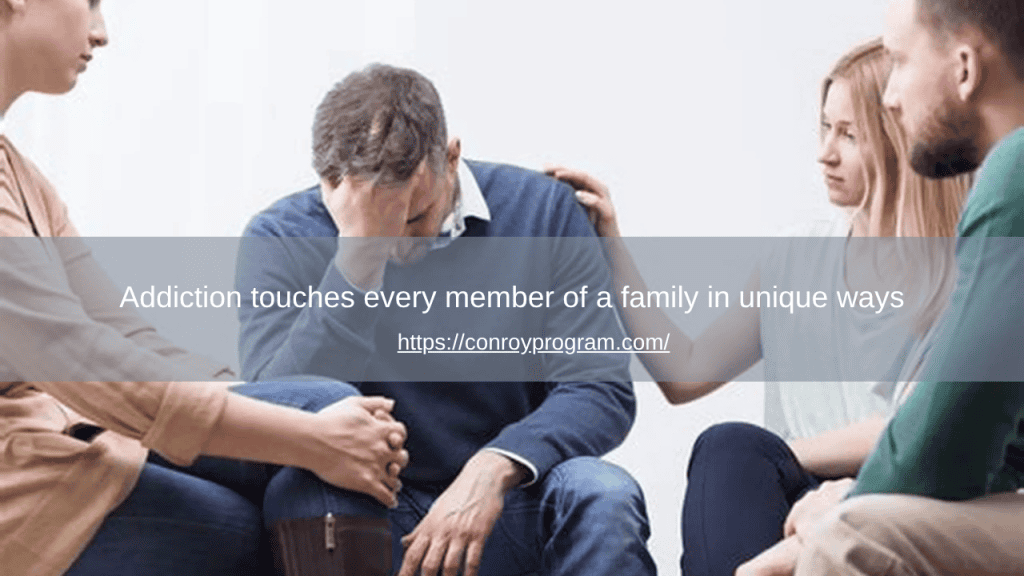
Addiction touches every member of a family in unique ways. Children may feel unsafe or neglected, partners may experience betrayal and resentment, and parents may struggle with guilt or worry. Over time, these challenges weaken communication, create emotional distance, and perpetuate cycles of conflict and misunderstanding. Recognizing these effects is the first step toward meaningful change.

Emotional Strain on Loved Ones

The emotional toll on families is significant. Chronic stress, anxiety, and frustration often accompany the uncertainty of addiction. Without support, these feelings can create long-lasting tension and even affect physical health. Families need tools and guidance to navigate these challenges while maintaining their own well-being.

How Recovery Programs Help Restore Harmony

Structured Treatment and Accountability

Professional recovery programs provide structure and consistency that help individuals regain stability. Inpatient and outpatient programs offer monitored care, therapy, and guidance, creating a safe environment for both the individual in recovery and their family. Demonstrating accountability and consistent progress helps rebuild trust and reassures loved ones that meaningful change is taking place.

Family-Focused Therapy

Family therapy is a cornerstone of effective recovery. Guided sessions allow each member to express their feelings, understand addiction’s impact, and learn healthy communication strategies. These sessions help break patterns of blame and resentment, replacing them with empathy, understanding, and connection.

Rebuilding Trust Step by Step

Trust is rebuilt gradually through actions, not words. Recovery programs teach families to establish boundaries, set expectations, and celebrate milestones. By focusing on small, consistent steps, family members witness progress and regain confidence in their relationships.

Holistic Approaches to Strengthening Family Bonds

Emotional and Physical Wellness

Holistic care addresses both mind and body. Mindfulness practices, stress management techniques, and wellness routines promote emotional stability and resilience. Families who engage in these practices together often find stronger, more empathetic connections.

Faith-Based and Spiritual Support

For many families, faith provides additional guidance and hope during recovery. Integrating spiritual practices into treatment fosters purpose, unity, and renewed meaning in relationships. Conroy Program offers faith-based approaches alongside clinical care, supporting families on multiple levels.

Moving Forward as a Family

Recovery is not an individual journey alone. By participating in structured programs, embracing therapy, and adopting holistic practices, families can transform the chaos of addiction into a foundation for connection and harmony. Every step taken toward understanding, communication, and trust strengthens the family system and fosters lasting resilience.

Take the First Step Toward Family Healing

Addiction may have disrupted your family’s harmony, but recovery offers the opportunity to rebuild. Professional treatment programs, compassionate guidance, and holistic support provide the tools needed to break destructive cycles and restore trust. If your family is ready to heal together and embrace a future of connection and understanding, the Conroy Program is here to help. Reach out today to start your journey toward lasting recovery and renewed family harmony.