Hope for Families: Restoring Trust and Communication After Substance Use

Substance use affects more than the individual struggling with addiction. It can fracture family relationships, erode trust, and make open communication feel impossible. Families often experience fear, frustration, and uncertainty, unsure how to support recovery without creating conflict. The good news is that with the right tools, professional guidance, and compassionate support, families can rebuild trust, restore communication, and reconnect in meaningful ways.

Understanding the Impact of Substance Use on Families

Emotional Strain and Distance

Addiction creates stress for every family member. Partners may feel betrayed, children may struggle with confusion or anxiety, and parents may experience guilt or frustration. Over time, these emotions can lead to emotional distance, making it difficult to rebuild connections once recovery begins.

Breakdown of Trust

Repeated broken promises, secrecy, or erratic behavior can severely damage trust. Even when an individual is committed to recovery, family members may feel hesitant to rely on them fully. Restoring trust requires consistent, deliberate actions and support from professionals.

Disrupted Family Roles

Addiction often shifts family roles, with some members assuming responsibilities beyond their capacity. These role changes can persist after recovery, creating tension if not addressed in treatment. Re-establishing healthy roles and responsibilities is essential for long-term family healing.

Steps Families Can Take to Rebuild Trust and Communication

Family Therapy for Guided Healing

Family therapy offers a structured environment for open communication. With professional guidance, families can express emotions, address past conflicts, and learn practical skills for healthier interactions. Therapy provides tools for rebuilding trust, listening actively, and resolving disagreements constructively.

Education and Awareness

Understanding addiction as a medical and psychological condition helps families move away from blame and toward empathy. Education empowers loved ones to recognize triggers, respond appropriately, and support recovery without enabling destructive behaviors.

Establishing Boundaries and Expectations

Clear, compassionate boundaries create safety for everyone involved. Boundaries help individuals in recovery understand expectations while protecting family members from further emotional strain. Recovery programs provide guidance on setting and maintaining boundaries that foster accountability and trust.

Holistic and Faith-Based Approaches

Supporting Emotional and Physical Wellness

Holistic care addresses the mind, body, and spirit. Practices such as mindfulness, stress reduction, and wellness routines help families regulate emotions and develop healthier coping strategies. Shared wellness activities can strengthen bonds and encourage mutual support.

Faith-Based Guidance

For families who value spirituality, faith-based recovery programs offer additional support. Shared prayer, reflection, and spiritual practices can foster hope, purpose, and connection, reinforcing the healing process within the family system.

Consistent Routines and Positive Interaction

Stability and structure help rebuild trust and communication. Regular check-ins, family meals, or shared activities provide opportunities to practice new skills, celebrate progress, and reinforce positive behaviors in a safe environment.

Moving Forward as a Family

Recovery is not just about ending substance use; it is about rebuilding relationships. Families that engage in professional treatment, practice healthy communication, and adopt holistic strategies can transform the challenges of addiction into opportunities for connection, resilience, and growth.

Take the First Step Toward Healing

Families impacted by substance use can find hope and restoration. Through professional support, therapy, and holistic care, trust can be rebuilt, communication restored, and relationships strengthened. The Conroy Program provides individualized care, mental health support, and family-focused strategies to guide families on the path to recovery. Reach out today to begin the journey toward lasting connection and a stronger, healthier family.
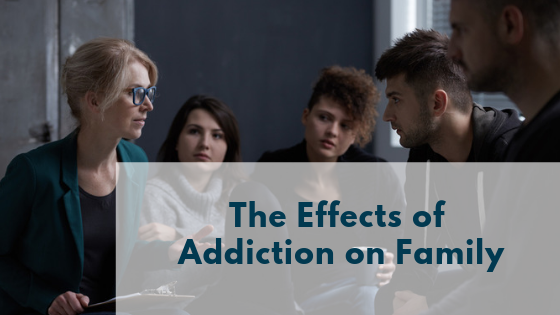
When Addiction Strains Your Family: How Professional Help Bridges the Gap

Addiction rarely affects only one person. It seeps into family life, reshaping relationships, creating emotional distance, and leaving loved ones unsure how to help without causing more harm. When trust is strained and communication breaks down, families often feel stuck between fear, frustration, and hope. Professional addiction treatment can serve as a bridge, helping families move from crisis and confusion toward understanding, healing, and reconnection.

How Addiction Disrupts Family Relationships

Emotional Distance and Unspoken Pain

Families impacted by addiction often live in a state of emotional tension. Loved ones may feel anger, sadness, guilt, or exhaustion, while the person struggling with substance use may feel shame or isolation. Over time, these emotions can remain unspoken, creating distance that feels impossible to cross without help.

Broken Trust and Uncertainty

Addiction frequently involves broken promises, secrecy, or unpredictable behavior. Even when the desire to rebuild is present, families may struggle to trust again. Without structure and guidance, attempts to reconnect can lead to repeated disappointment or conflict.

Confusing Roles and Boundaries

Many families adapt to addiction by shifting roles. Parents become caretakers beyond healthy limits, partners take on emotional or financial responsibilities alone, and children may grow up too quickly. These patterns can persist even after sobriety begins, making recovery more complicated for everyone involved.

Why Professional Help Matters

A Neutral and Supportive Environment

Professional addiction treatment creates a safe space where families can speak openly without fear of blame or escalation. Therapists and counselors help guide difficult conversations, ensuring that every voice is heard and respected.

Addressing Addiction and Mental Health Together

Addiction and mental health challenges often exist side by side. Anxiety, depression, trauma, or unresolved grief can fuel substance use and strain family relationships. Integrated treatment addresses both issues, allowing deeper healing for individuals and families alike.

Structured Inpatient and Outpatient Support

Different families require different levels of care. Inpatient treatment offers a focused, immersive environment where individuals can stabilize while families begin the healing process. Outpatient programs allow individuals to continue recovery while practicing healthier communication and boundaries at home. Both levels of care provide structure, accountability, and professional guidance.

Tools That Help Families Heal

Family Therapy and Counseling

Family therapy is one of the most effective ways to rebuild connection. Sessions focus on improving communication, repairing trust, and understanding how addiction has affected each family member. Therapy also helps families develop healthier ways to respond to stress and conflict.

Education That Builds Compassion

Learning about addiction as a medical and emotional condition helps families move away from blame and toward empathy. Education empowers loved ones to support recovery without enabling destructive behaviors.

Holistic Approaches That Support the Whole Family

Holistic care recognizes that healing involves the mind, body, and spirit. Stress reduction, emotional regulation, and wellness practices help families respond more calmly and intentionally. These tools strengthen resilience and promote long term stability.

Faith Based Support and Shared Values

For families who value spirituality, faith based care can provide hope and grounding during recovery. Shared values and spiritual practices often help families reconnect around meaning, forgiveness, and purpose.

Taking the First Step Toward Reconnection

Healing strained family relationships does not happen overnight. It requires patience, consistency, and professional support. With the right guidance, families can learn how to communicate honestly, set healthy boundaries, and rebuild trust step by step. Recovery becomes more than abstaining from substances. It becomes an opportunity for growth and renewed connection.

Professional Support Can Bridge the Gap

When addiction strains your family, you do not have to navigate the pain alone. Professional addiction treatment offers structure, compassion, and expertise to help families heal together. Through individualized care, mental health support, and holistic approaches, the Conroy Program helps bridge the gap between struggle and hope. Reach out today to begin rebuilding trust, restoring connection, and creating a healthier future for your family.

Reconnecting After Addiction: Tools for Strengthening Family Relationships

Addiction affects more than the individual struggling with substances. It often fractures family relationships, erodes trust, and creates emotional distance that can last long after recovery begins. Rebuilding these connections requires intention, guidance, and support from professionals who understand the complexities of addiction. By using structured tools and strategies, families can heal together, strengthen bonds, and create a foundation for lasting connection and resilience.

Understanding the Impact of Addiction on Families

Emotional Strain and Disconnection

Addiction can leave family members feeling hurt, betrayed, and isolated. Partners may struggle with trust, children may experience confusion or anxiety, and parents may feel guilt or frustration. These emotional challenges, if not addressed, can perpetuate conflict and prevent meaningful reconnection.

Communication Breakdowns

Substance use often disrupts open communication. Families may avoid difficult conversations, leading to misunderstandings and unresolved tension. Reestablishing healthy dialogue is essential for rebuilding trust and strengthening relationships.

Role Shifts and Family Dynamics

Addiction can alter family roles, with some members taking on responsibilities outside their usual capacity to manage the chaos. These shifts can create resentment or burnout if the family does not intentionally address them during the recovery process.

Tools for Rebuilding Family Relationships

Family Therapy for Structured Healing

Family therapy is a key tool in reconnecting after addiction. Guided by trained professionals, therapy provides a safe environment to discuss emotions, address past conflicts, and learn practical strategies for healthier interactions. Therapy helps families practice empathy, improve communication, and rebuild trust gradually.

Setting Boundaries and Expectations

Healthy boundaries protect both the individual in recovery and their loved ones. Clear expectations reduce frustration and create a supportive environment where trust can grow. Recovery programs provide guidance on establishing boundaries that encourage accountability without creating unnecessary conflict.

Education and Awareness

Understanding addiction as a medical and psychological condition helps family members move away from blame and toward compassion. Educational sessions within recovery programs provide insight into the behaviors, triggers, and challenges associated with substance use, enabling families to respond in supportive, constructive ways.

Holistic Practices for Family Connection

Holistic approaches strengthen emotional resilience and promote positive interaction. Mindfulness exercises, stress management techniques, and wellness routines help family members regulate emotions and foster empathy. Shared wellness activities can also create opportunities for positive bonding and teamwork.

Faith-Based and Spiritual Support

For families who value spirituality, faith-based approaches offer additional guidance and hope. Shared prayer, reflection, or spiritual practices can provide a sense of purpose, reinforce values, and deepen connection during the recovery journey.

Practical Steps to Strengthen Family Bonds

  1. Start Small – Rebuilding trust begins with small, consistent actions, such as keeping commitments and showing appreciation.
  2. Prioritize Open Communication – Schedule regular family check-ins to discuss progress, challenges, and feelings.
  3. Celebrate Milestones Together – Recognize achievements in recovery and positive family interactions to reinforce connection.
  4. Seek Professional Support – Engage in therapy or counseling to address unresolved conflicts and strengthen coping strategies.

Begin Rebuilding Today

Recovery offers an opportunity not only for sobriety but also for renewed family connection. By using structured tools, professional guidance, and holistic support, families can repair relationships, restore trust, and build stronger, more resilient bonds. The Conroy Program provides compassionate, individualized care to help families reconnect and thrive together. Reach out today to start your journey toward healing, hope, and lasting family harmony.

The Ripple Effect of Addiction: Steps Families Can Take to Recover

Addiction never affects just one person. It creates a ripple effect that touches spouses, children, parents, and close friends, often leaving behind broken trust, confusion, and emotional fatigue. Families may feel trapped between love and frustration, hope and fear. The good news is that recovery is possible for everyone involved. When families are supported through structured, compassionate care, they can heal together and build a healthier future rooted in understanding and connection.

How Addiction Impacts the Family System

Emotional and Psychological Strain

Living with addiction creates chronic stress for families. Loved ones may experience anxiety, depression, guilt, or anger as they try to manage unpredictable behaviors and protect the household. Children especially may internalize these experiences, leading to long term emotional challenges without proper support.

Communication Breakdowns

Addiction often leads to secrecy, defensiveness, and emotional distance. Honest conversations become difficult, and misunderstandings increase. Over time, families may stop communicating openly, which deepens isolation and prevents healing.

Shifts in Roles and Responsibilities

Many family members adapt by taking on new roles to compensate for the disruption caused by substance use. One person may become the caretaker, while another becomes the peacekeeper. These shifts can lead to burnout and resentment if not addressed in treatment.

Steps Families Can Take to Begin Healing

Education and Awareness

The first step in family recovery is understanding addiction as a complex health condition. Learning how substance use disorders affect the brain, behavior, and decision making helps families move away from blame and toward compassion. Education also empowers families to recognize warning signs and support healthy boundaries.

Participating in Family Therapy

Family therapy is a powerful tool in addiction recovery. Guided by trained professionals, therapy sessions provide a safe environment for families to express emotions, address unresolved conflicts, and rebuild trust. These sessions help families practice healthy communication and learn skills that reduce future conflict.

Creating a Stable and Supportive Environment

A consistent and predictable home environment supports long term recovery. Families can work together to establish routines that promote balance, such as shared meals, regular check ins, and shared activities. Stability reduces stress and helps everyone feel safer and more connected.

The Role of Professional Treatment Programs

Inpatient and Outpatient Support

Professional recovery programs offer structured care that meets individuals and families where they are. Inpatient care provides intensive support and supervision during the early stages of recovery, while outpatient programs allow individuals to continue treatment while managing work and family responsibilities. Both approaches play a critical role in restoring family stability.

Treating Mental Health Alongside Addiction

Mental health treatment is essential to meaningful recovery. Conditions such as anxiety, depression, and trauma often exist alongside substance use. Addressing these challenges through counseling and therapy improves emotional regulation and strengthens the entire family dynamic.

Holistic and Faith Based Healing

Holistic care focuses on healing the mind, body, and spirit. Practices such as mindfulness, fitness, nutrition, and spiritual guidance help families reconnect and develop healthier coping methods. Faith based approaches provide hope, purpose, and a sense of shared strength for families who value spiritual growth.

Rebuilding Trust and Strengthening Bonds

Small Steps Toward Reconnection

Trust is rebuilt through consistent, honest actions over time. Families can start with small steps such as setting realistic expectations, celebrating progress, and practicing forgiveness. These moments of positive connection lay the groundwork for deeper healing.

Setting Healthy Boundaries

Boundaries are essential in recovery. They protect the family while encouraging accountability and growth. Clear, compassionate boundaries help individuals in recovery understand expectations without feeling judged or rejected.

Take the Next Step Toward Family Recovery

The ripple effect of addiction can create deep pain, but it can also inspire powerful healing when families are given the right support. Recovery is not just about ending substance use. It is about restoring relationships, rebuilding trust, and creating a future built on honesty and hope. The Conroy Program offers comprehensive addiction recovery, mental health treatment, and family focused care to help families move forward together. Reach out today to take the first step toward healing and lasting change.