
When Recovery Becomes a Shared Journey: Strengthening Relationships After Addiction

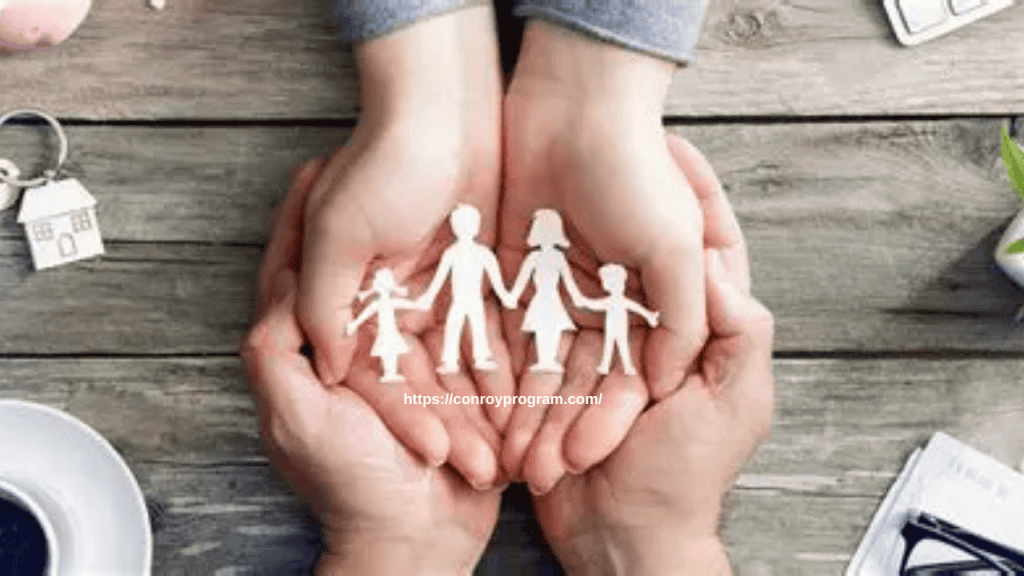
Addiction is often described as a family disease because it impacts far more than the individual who is struggling. Trust is broken, relationships suffer, and loved ones are left carrying feelings of hurt, fear, and confusion. Yet recovery can also be a shared journey. When families and individuals commit to healing together, they not only overcome addiction but also strengthen their bonds and build a healthier foundation for the future. With professional support, what was once fractured can become whole again.

Understanding the Ripple Effect of Addiction

How Addiction Impacts Relationships

Addiction often creates a pattern of secrecy, broken promises, and emotional disconnection. Spouses may feel betrayed, children may feel abandoned, and parents may feel powerless. Over time, these experiences weaken family trust and communication. Recognizing the impact of addiction on loved ones is the first step toward rebuilding those connections.

The Emotional Burden on Families

Loved ones often carry heavy emotional weight. Some may feel guilt, believing they could have done more to help, while others harbor resentment for the pain addiction has caused. Without proper support, these feelings can persist long after treatment begins. Acknowledging these emotions openly is key to creating space for healing.

Why Recovery Works Best When Families Are Involved

The Value of Shared Healing

Recovery is not just about sobriety. It is about restoring relationships, reestablishing trust, and creating new patterns that support long-term wellness. When families engage in the recovery process, they gain tools for healthier communication and learn how to support their loved one without enabling destructive behaviors.

Structured Programs That Encourage Family Involvement

Professional recovery programs, like those offered by Conroy Program, recognize the importance of family participation. Through inpatient and outpatient care, therapy sessions, and holistic practices, families are guided to heal alongside their loved one. This shared involvement ensures that everyone has the opportunity to grow together.

The Role of Therapy in Rebuilding Connections

Family Therapy as a Bridge

Family therapy provides a safe environment where loved ones can express their feelings, learn new coping skills, and rebuild empathy. These sessions allow individuals in recovery to hear the perspectives of their family members and vice versa, creating a bridge toward understanding and reconnection.

Building Healthier Communication Patterns

Recovery introduces families to new ways of communicating. Instead of cycles of blame or silence, families learn to set boundaries, practice active listening, and support accountability. These skills help transform strained relationships into supportive partnerships.

Holistic and Faith-Based Support for Families

Healing the Whole Person and Family

Addiction affects the mind, body, and spirit. That is why holistic approaches, such as mindfulness, wellness activities, and emotional regulation, are so important in the healing process. Families also benefit from these practices, as they reduce stress and encourage balance within the household.

Faith as a Source of Strength

For many families, faith offers a powerful anchor during recovery. Conroy Program provides faith-based care for those who seek spiritual renewal, helping families reconnect not only with each other but also with their values and sense of purpose.

Moving Forward Together

When recovery is embraced as a shared journey, families move from isolation to connection. It is not about ignoring past hurt but about transforming pain into growth, and distance into closeness. With the right professional support, families can emerge stronger than ever, united by resilience and trust.

Taking the First Step as a Family

Addiction may have disrupted your family’s story, but recovery offers the chance to rewrite it together. By engaging in structured programs that emphasize family involvement, healing becomes a collective process where trust is rebuilt and relationships flourish. If your family is ready to take that step, the Conroy Program is here to guide you with compassionate, holistic, and individualized care. Reach out today and begin the journey toward lasting recovery as a family.

Cycle to Circle: Empowering Family Healing with Professional Addiction Treatment

Addiction often traps families in painful cycles of broken trust, conflict, and emotional distance. What starts as an individual struggle quickly ripples outward, leaving loved ones confused, hurt, and unsure how to help. Yet recovery is not only possible but also transformative when families engage in professional addiction treatment together. With the right care, the cycle of hurt can be replaced with a circle of healing, where connection, trust, and resilience are restored.

Understanding the Family Impact of Addiction

The Cycle of Pain and Disconnection

Substance use disrupts family life in countless ways. Loved ones may feel betrayed by secrecy or dishonesty, children may sense instability at home, and partners often carry the weight of financial or emotional strain. Over time, these stressors create patterns of mistrust and resentment that feel impossible to break.

Emotional Consequences for Families

The emotional toll on families can be overwhelming. Parents may feel guilt or helplessness, siblings may withdraw, and partners may struggle with anger or grief. Without support, these feelings can deepen, creating lasting wounds even after sobriety begins.

How Professional Treatment Creates Change

A Structured Path Toward Healing

Breaking free from addiction requires more than willpower. Professional treatment programs provide structure, guidance, and evidence-based therapies that address both substance use and underlying mental health challenges. By focusing on the whole person, these programs set the stage for genuine recovery and healthier family dynamics.

Building Accountability and Trust

Trust is not restored by promises but by consistent actions. In professional treatment, individuals learn to take responsibility for their choices while families learn to set healthy boundaries. This mutual accountability creates space for trust to grow naturally over time.

The Family’s Role in Recovery

Reconnecting Through Family Therapy

Family therapy is a cornerstone of effective recovery. These sessions allow loved ones to express their experiences, develop healthier communication patterns, and better understand addiction’s impact. By working together, families rebuild empathy and strengthen their bonds.

Learning Healthy Support Strategies

Many families struggle to find the balance between supporting a loved one and enabling harmful behavior. Professional treatment teaches families practical strategies to provide encouragement without compromising their own well-being. These new approaches empower families to support recovery in a sustainable way.

Holistic and Faith-Based Approaches to Healing

Addressing the Whole Person

Addiction recovery is most effective when it extends beyond physical sobriety. Holistic approaches such as mindfulness, wellness practices, and stress management help individuals build resilience and improve overall well-being.

Faith as a Source of Strength

For families seeking spiritual support, faith-based care provides an additional foundation of hope and meaning. At Conroy Program, spiritual values can be integrated into the recovery process, offering comfort and strength to both individuals and their families.

From Cycle to Circle: A New Way Forward

When families step into professional treatment, they begin the transition from a cycle of pain to a circle of healing. With compassion, structure, and individualized care, recovery becomes more than sobriety. It becomes a chance to create deeper trust, stronger relationships, and a renewed sense of connection.

Choosing Healing Together

Addiction does not have to define your family’s future. With professional treatment, compassionate support, and a commitment to healing, families can break the cycle of hurt and embrace a circle of hope and strength. If your family is ready to take the next step, the Conroy Program is here to guide you. Reach out today and begin your journey toward lasting recovery and restored connection.

Restoring Trust After Addiction: How Families Heal Through Structured Recovery Programs

Addiction does not only affect the person struggling with substances. It reshapes the family system, straining relationships, breaking trust, and creating deep wounds that are difficult to heal without guidance. For many families, trust becomes the first casualty of addiction and the hardest thing to rebuild. The good news is that recovery programs designed with structure, compassion, and holistic care can help restore relationships and bring families back together.

The Impact of Addiction on Trust

Broken Promises and Emotional Distance

When a loved one battles addiction, promises often go unkept. Missed family events, financial stress, secrecy, and emotional withdrawal can erode trust between family members. Over time, these patterns create distance and resentment that make reconnection feel impossible.

The Cycle of Hurt

Addiction can create a painful cycle within families. Loved ones may try to help, but without professional support, they often end up enabling unhealthy behaviors or feeling powerless. This cycle leaves everyone hurt and unsure of how to move forward.

Why Structured Recovery Programs Matter

A Foundation for Healing

Recovery requires more than willpower. Structured programs, like those offered by Conroy Program, provide individuals with evidence-based therapies, medical support, and holistic approaches that address addiction at its root. By focusing on both substance use and co-occurring mental health conditions, structured care creates the foundation needed for real, lasting change.

Rebuilding Trust Through Accountability

Trust cannot be restored overnight. Structured recovery helps individuals rebuild credibility by setting clear goals, creating accountability, and encouraging consistent progress. Families begin to see change not through empty promises but through steady actions supported by a professional team.

The Role of Families in the Healing Process

Participating in Family Therapy

Recovery is not just about one person. Family therapy gives loved ones the tools to communicate openly, set boundaries, and begin healing together. It also creates a space where both sides can share their experiences, rebuild empathy, and understand how addiction has impacted each person.

Learning New Patterns

Structured recovery programs teach families healthier ways to support their loved one without enabling destructive behaviors. This includes recognizing triggers, setting boundaries, and encouraging positive habits that strengthen both recovery and family bonds.

Holistic and Faith-Based Approaches

Healing the Whole Person

Addiction recovery is most effective when it considers the whole person. Conroy Program integrates holistic therapies such as mindfulness, wellness activities, and faith-based support for those who seek spiritual grounding. These elements help individuals and families reconnect to meaning and hope beyond the challenges of addiction.

Individualized Care for Unique Journeys

No two recovery journeys are the same. Structured programs that adapt to each person’s needs ensure that both the individual and their family feel supported in ways that are relevant and effective. This individualized approach allows for greater trust and confidence in the process.

Moving Forward Together

Healing after addiction is not about forgetting the past but learning how to rebuild a stronger future. Structured recovery programs provide the tools, guidance, and support that make this possible. Families who commit to the process together can move from brokenness to trust, from distance to closeness, and from despair to hope.

Choosing Trust and Healing

Restoring trust after addiction is a journey, but it is one families do not have to walk alone. Through structured recovery programs, professional guidance, and holistic healing, families can rebuild what was lost and find new strength together. If your family is ready to take the first step toward recovery, Conroy Program is here to help. Reach out today and begin the journey toward healing, trust, and renewed connection.